

Many people in the UK eat well, exercise regularly, and still struggle to lose body fat. Calories are often blamed, but the real issue frequently lies deeper. Weight loss hormones play a critical role in determining whether the body burns fat or stores it. Among these hormones, insulin and cortisol have the strongest influence on fat loss resistance.
When insulin and cortisol remain elevated for long periods, the body receives a clear message: store energy, do not burn it. Understanding how these hormones work — and how modern UK lifestyles affect them — is essential for anyone struggling with stubborn fat, especially around the abdomen.
This article explains how insulin and cortisol block fat burn, why this problem is so common, and what practical steps actually help restore hormonal balance.
What Are Weight Loss Hormones?
Weight loss hormones are chemical messengers that regulate appetite, metabolism, fat storage, and energy use. They decide whether calories are used immediately or stored as body fat.
Key hormones involved include:
-
Insulin
-
Cortisol
-
Leptin
-
Ghrelin
-
Thyroid hormones
Among these, insulin and cortisol have the most direct impact on fat storage and fat burning.
Weight Loss Hormones and the Role of Insulin
Insulin is a hormone released by the pancreas in response to food, especially carbohydrates and sugar. Its primary job is to move glucose from the bloodstream into cells for energy.
When Insulin Works Properly
-
Blood sugar remains stable
-
Energy is used efficiently
-
Fat burning can occur between meals
When Insulin Is Constantly High
-
Fat breakdown is blocked
-
Excess energy is stored as fat
-
Cravings increase
-
Energy levels fluctuate
This is where problems begin for fat loss.
How Insulin Blocks Fat Burn
When insulin levels are high, the body physically cannot burn fat. Fat cells remain “locked”, even during exercise.
Frequent insulin spikes occur due to:
-
Regular snacking
-
High intake of refined carbohydrates
-
Sugary drinks and processed foods
-
Eating carbohydrates without protein or fibre
This explains why many UK adults struggle with fat loss despite eating what they believe is a healthy diet.
Insulin Resistance and Stubborn Fat
Over time, repeated insulin spikes can lead to insulin resistance. This means cells stop responding efficiently to insulin, forcing the body to produce more of it.
High insulin levels signal the body to:
-
Store fat
-
Protect energy reserves
-
Reduce fat breakdown
This hormonal state makes fat loss extremely difficult, especially around the waist.
Weight Loss Hormones and the Impact of Cortisol
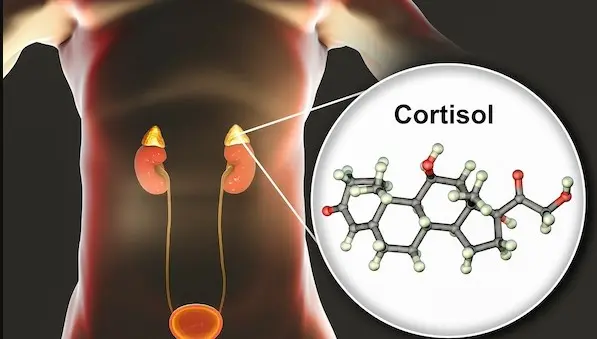
Cortisol is known as the stress hormone. It is released during physical, emotional, and psychological stress.
Short-term cortisol release is normal and healthy. The problem arises when stress becomes chronic.
How Cortisol Blocks Fat Burn
Chronic stress keeps cortisol levels elevated throughout the day. High cortisol:
-
Encourages fat storage
-
Breaks down muscle tissue
-
Raises blood sugar
-
Increases cravings for high-energy foods
From a survival perspective, cortisol tells the body to store energy in preparation for danger. Unfortunately, modern stress rarely involves physical danger — but the hormonal response remains the same.
Cortisol and Belly Fat in the UK
Belly fat is particularly sensitive to cortisol. This is why many people notice weight gain around the abdomen during stressful periods, even when diet does not change.
Common UK lifestyle factors that increase cortisol include:
-
Long working hours
-
Commuting stress
-
Financial pressure
-
Poor work-life balance
-
Inadequate sleep
Even with regular exercise, high cortisol can block fat loss.
The Dangerous Combination: Insulin and Cortisol Together
When insulin and cortisol are both elevated, fat loss becomes extremely difficult.
High cortisol raises blood sugar. Elevated blood sugar triggers insulin release. Together, they create a cycle that promotes fat storage and prevents fat burning.
This hormonal environment explains why dieting harder often produces worse results.
Why Eating Less Often Makes Things Worse
Many people respond to stalled fat loss by eating less.
Severe calorie restriction:
-
Raises cortisol
-
Slows metabolism
-
Increases insulin sensitivity problems
This worsens the hormonal imbalance instead of fixing it.
Sleep: The Missing Hormonal Reset

Sleep is one of the most powerful regulators of weight loss hormones.
Poor sleep:
-
Raises cortisol
-
Reduces insulin sensitivity
-
Increases hunger hormones
-
Decreases energy expenditure
Many UK adults underestimate the impact of irregular sleep schedules and screen exposure at night on hormonal fat storage.
Exercise and Hormonal Balance
Exercise can help or harm hormonal balance, depending on how it is used.
Moderate Exercise Helps
-
Improves insulin sensitivity
-
Reduces baseline cortisol
-
Preserves muscle mass
Excessive Exercise Without Recovery Hurts
-
Raises cortisol
-
Increases inflammation
-
Encourages fat retention
Balance matters more than intensity.
How to Support Weight Loss Hormones Naturally
Fat loss improves when hormonal signals shift from stress and storage to safety and balance.
Practical Ways to Improve Weight Loss Hormones
-
Eat balanced meals with protein, fibre, and fats
-
Reduce constant snacking
-
Prioritise quality sleep
-
Manage daily stress intentionally
-
Include strength training
-
Avoid extreme calorie restriction
-
Increase daily movement
These habits lower insulin and cortisol naturally, allowing fat burning to resume.
How Long Does Hormonal Fat Loss Take?
Hormonal improvements are not instant. Energy levels and sleep quality usually improve first. Fat loss often follows after several weeks of consistent habits.
Patience is essential when dealing with weight loss hormones.
Final Thoughts
Fat loss is not just about calories or discipline. Weight loss hormones such as insulin and cortisol determine whether the body burns fat or stores it. When these hormones remain elevated due to stress, poor sleep, under-eating, or blood sugar imbalance, fat loss becomes nearly impossible.
By focusing on hormonal balance rather than extreme dieting, UK adults can unlock sustainable fat loss and better long-term health.


